
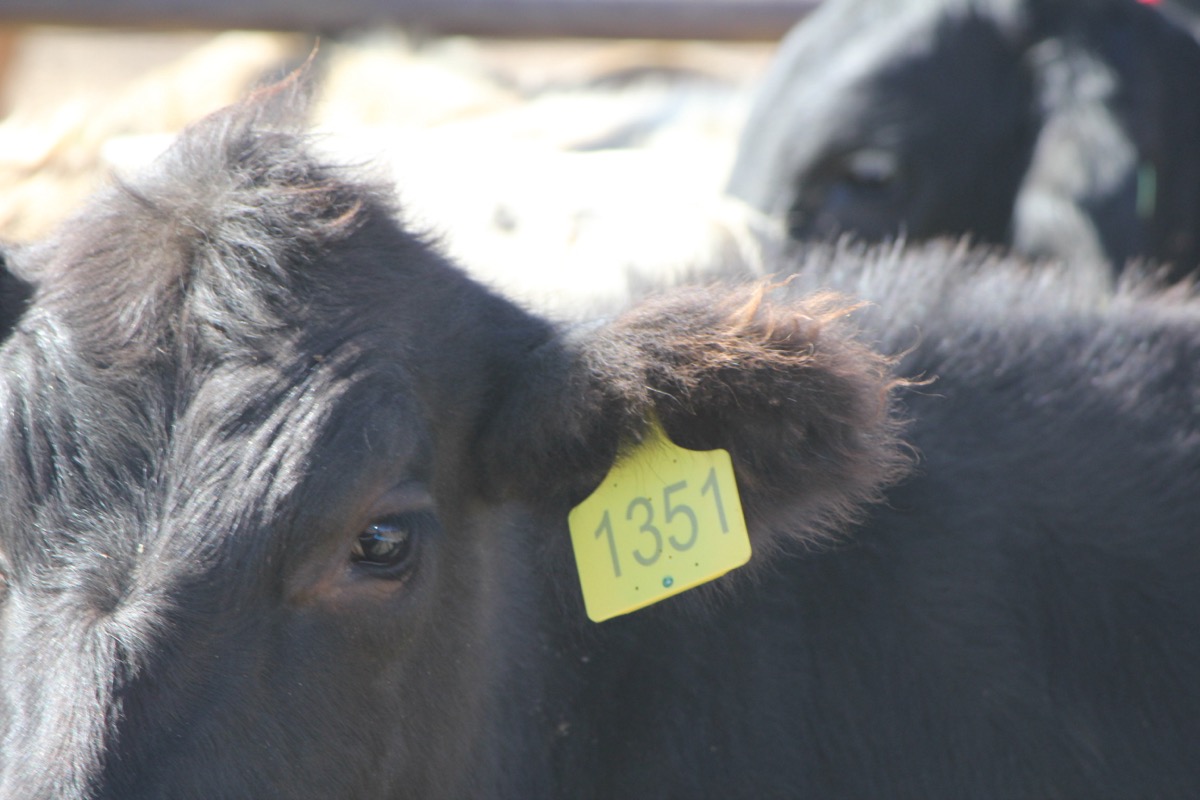
How IoT Ear Tags Are Changing Herd Health Management
Bovisen Team · March 22, 2026 · 4 min read
The concept of attaching a sensor to a livestock animal is not new. EID tags for traceability have been in use for decades. What has changed is the combination of low-power wireless protocols, miniaturized temperature sensors, and cloud-based data aggregation that makes continuous health monitoring practical at scale.
From Research to Ranch
Early IoT monitoring systems for livestock were large, expensive, and designed for controlled research environments. A university trial with 50 dairy cows could justify the cost and complexity. A 20,000-head feedlot could not. The engineering challenge was clear: build something small enough to attach to an ear, rugged enough to survive a feedlot pen, cheap enough to deploy at scale, and connected enough to deliver data without Wi-Fi infrastructure.
Long-range wireless protocols — capable of transmitting small data packets across distances of several miles using minimal power — solved the connectivity problem. A single gateway placed on a building or elevated structure can cover an entire yard. The ear tag transmits temperature and activity readings, the gateway relays them to the cloud, and the producer sees a dashboard.
The Hardware Constraint
Battery life is the primary hardware constraint in any wearable livestock sensor. A tag that requires weekly battery replacement is not viable in a commercial setting. Modern designs target multi-year battery life by transmitting infrequently during normal health states and increasing transmission frequency only when anomalies are detected, a model that preserves energy without sacrificing responsiveness.
Data at the Animal Level
The shift from herd-level to animal-level data is significant. Pen-level observations tell you something is wrong in a pen; animal-level data tells you which animal, how long it has been elevated, and whether the temperature trend is rising or stabilizing. That specificity reduces unnecessary pulls and focuses treatment resources where they are actually needed.
What's Next
Integration with treatment records, performance data, and procurement history is the next frontier. A monitoring platform that can correlate early health events with incoming cattle origin, vaccination protocol, and subsequent performance creates a feedback loop that improves purchasing decisions as much as it improves treatment outcomes.
Related Articles
 Technology
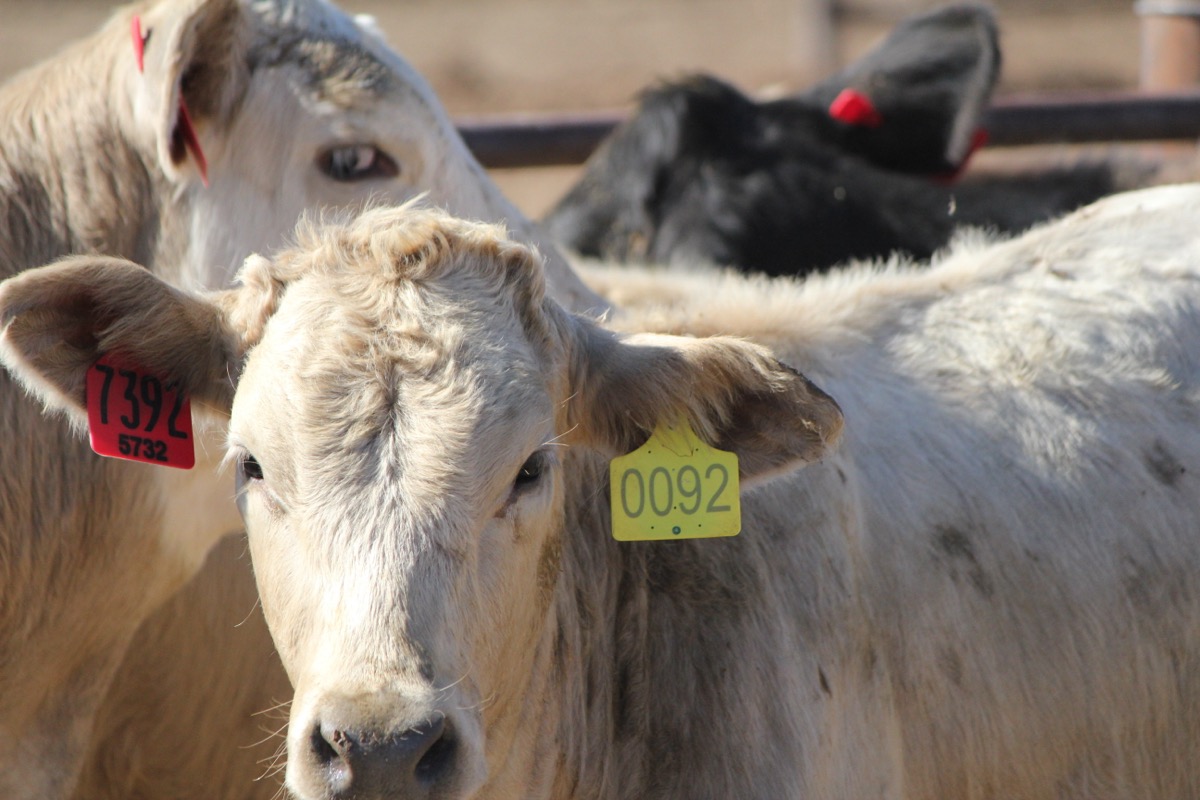
Long-Range Wireless Networks in Agricultural Settings
Most wireless systems for cattle require $10,000–$25,000 in infrastructure before a single animal is monitored. A long-range, low-power approach covers an entire feedlot for under $2,000, and scales to 100,000 head without architectural changes.
January 14, 2026 · 6 min read
 Livestock Health
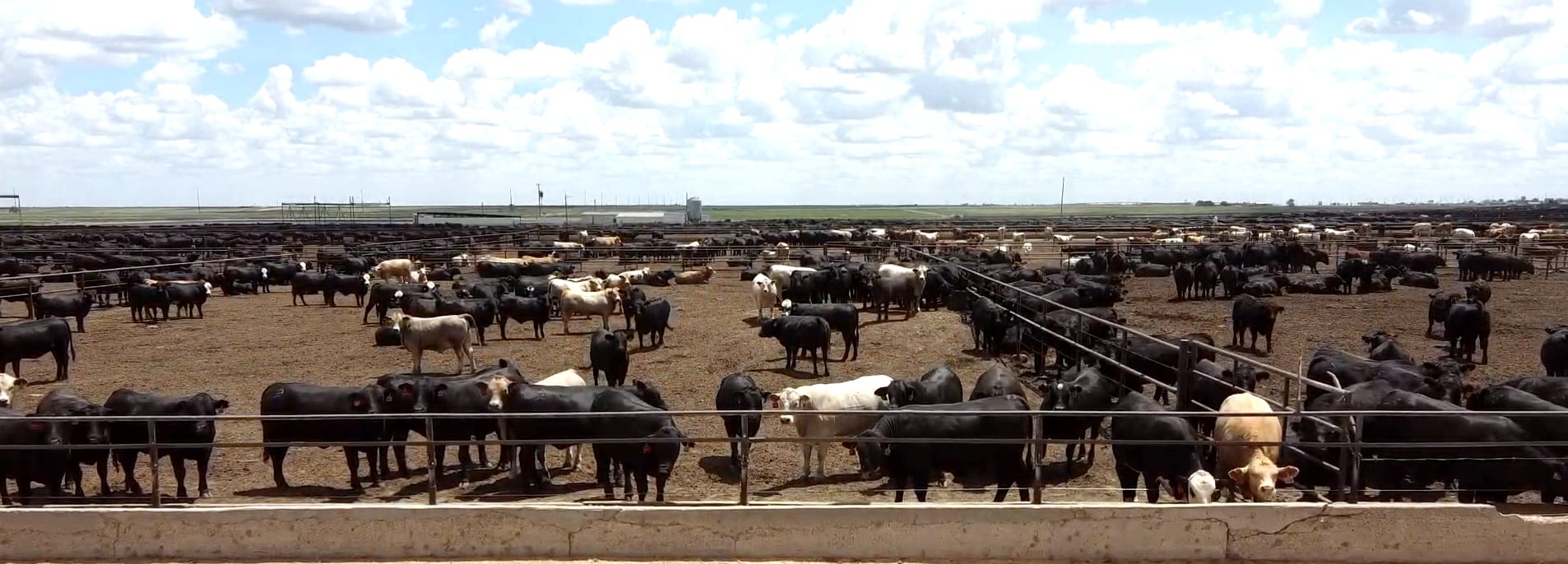
Early Fever Detection in Beef Cattle: Why Hours Matter
Bovine respiratory disease remains the leading cause of death in feedlot cattle, and the window for effective treatment is measured in hours, not days. Continuous ear-temperature monitoring gives producers that window back.
April 10, 2026 · 5 min read
 Research
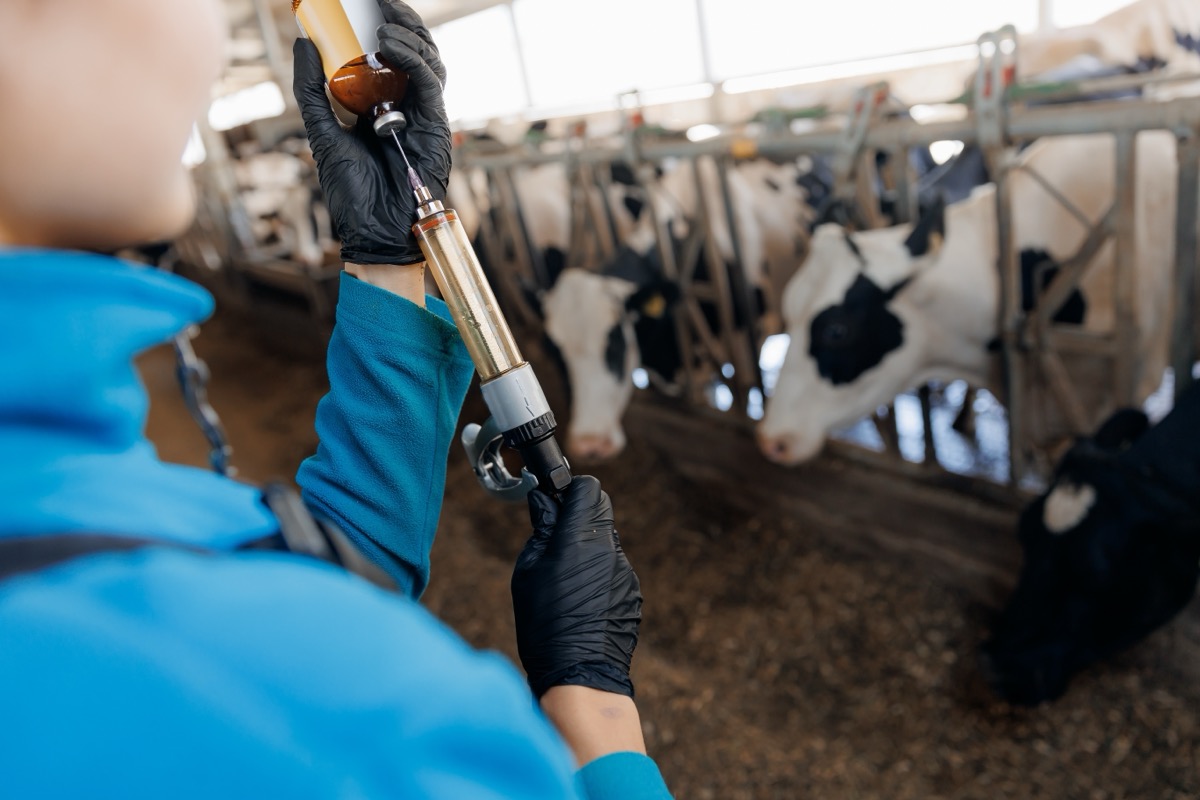
BRD Detection Rate Study: Ear Temperature vs. Visual Observation
A comparative field study tracked BRD detection rates across two matched pen groups, one monitored by continuous ear-temperature sensing, one by standard visual observation. The results confirmed a detection gap of more than 18 hours on average.
March 5, 2026 · 6 min read