
Early Fever Detection in Beef Cattle: Why Hours Matter
Bovisen Team · April 10, 2026 · 5 min read
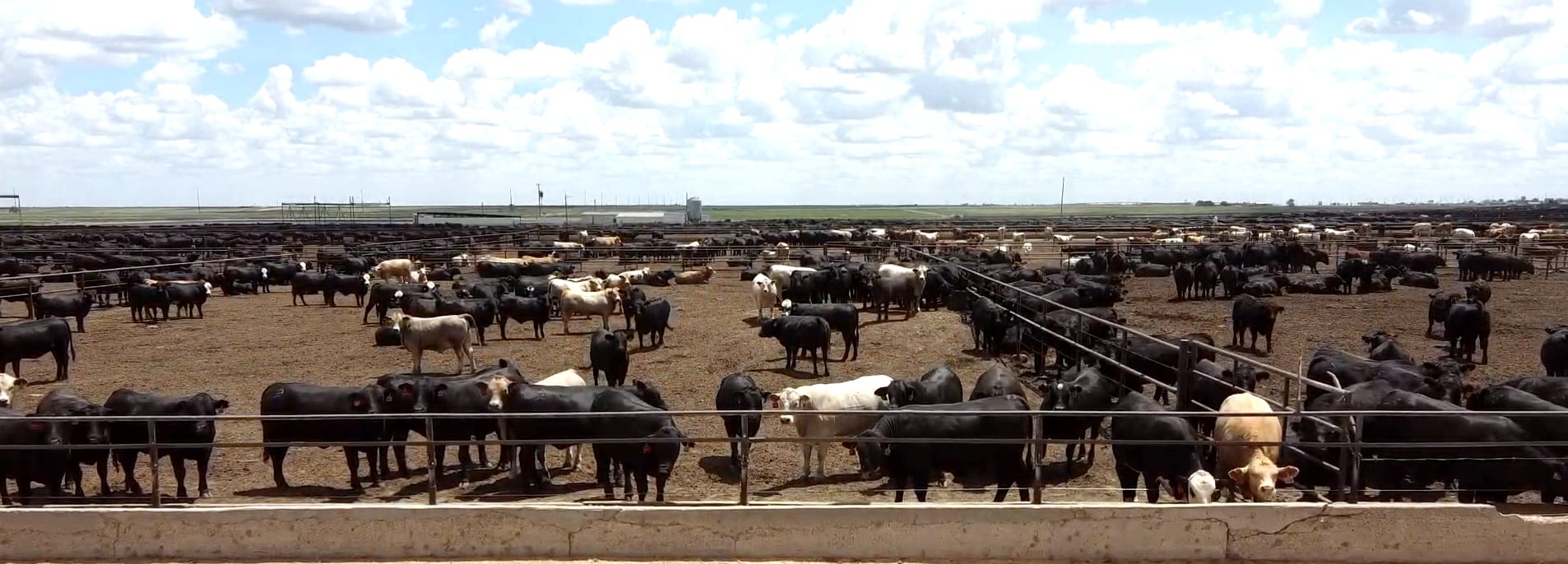
Early detection of illness in beef cattle has long been one of the most persistent challenges in commercial feeding operations. Visual observation — the traditional method — requires a trained eye, adequate lighting, and proximity to the animal. By the time lethargy or nasal discharge becomes visible, the animal has often been fighting an infection for 24 to 48 hours.
The Fever Window
Fever is one of the earliest measurable signs of bovine respiratory disease (BRD). Core body temperature typically rises 12 to 36 hours before clinical symptoms become obvious, creating a critical intervention window that visual checks almost always miss. An animal running a temperature of 104°F (40.0°C) at 6 AM on a Monday may not pull attention from a pen rider until Wednesday, by which point lung damage may already be irreversible.
Ear-based temperature monitoring changes that equation. By continuously measuring tympanic temperature and transmitting data to a cloud dashboard, producers receive an alert the moment an individual animal's temperature crosses a defined threshold. That alert can arrive at 3 AM, triggering a treatment decision hours before the morning walk.
What the Data Shows
In commercial feedlot trials, cattle identified by continuous monitoring and treated within 12 hours of temperature onset showed significantly better outcomes than those identified through visual pulls at the same temperature thresholds. Pull accuracy improved and the number of second and third treatments decreased.
Early Treatment vs. Delayed Treatment
The difference between treating at onset and treating 24 hours later is not subtle. Lung consolidation in BRD cases progresses rapidly, and consolidated lung tissue does not recover. An animal treated early may return to normal feed intake within 3 to 5 days; the same animal treated late may never reach expected performance levels.
Operational Impact
For a 5,000-head operation running 85% pen occupancy, improving early pull rates by even 10 percentage points can meaningfully reduce death loss and treatment costs. The compounding effect across multiple disease cycles per year makes early detection one of the highest-return investments available to feedlot managers.
Continuous monitoring does not replace trained pen riders. It gives them better information. The goal is to flag animals before they show, not to replace the human judgment required to evaluate and treat them.
Related Articles
 Livestock Health
Managing Heat Stress in Feedlot Operations This Summer
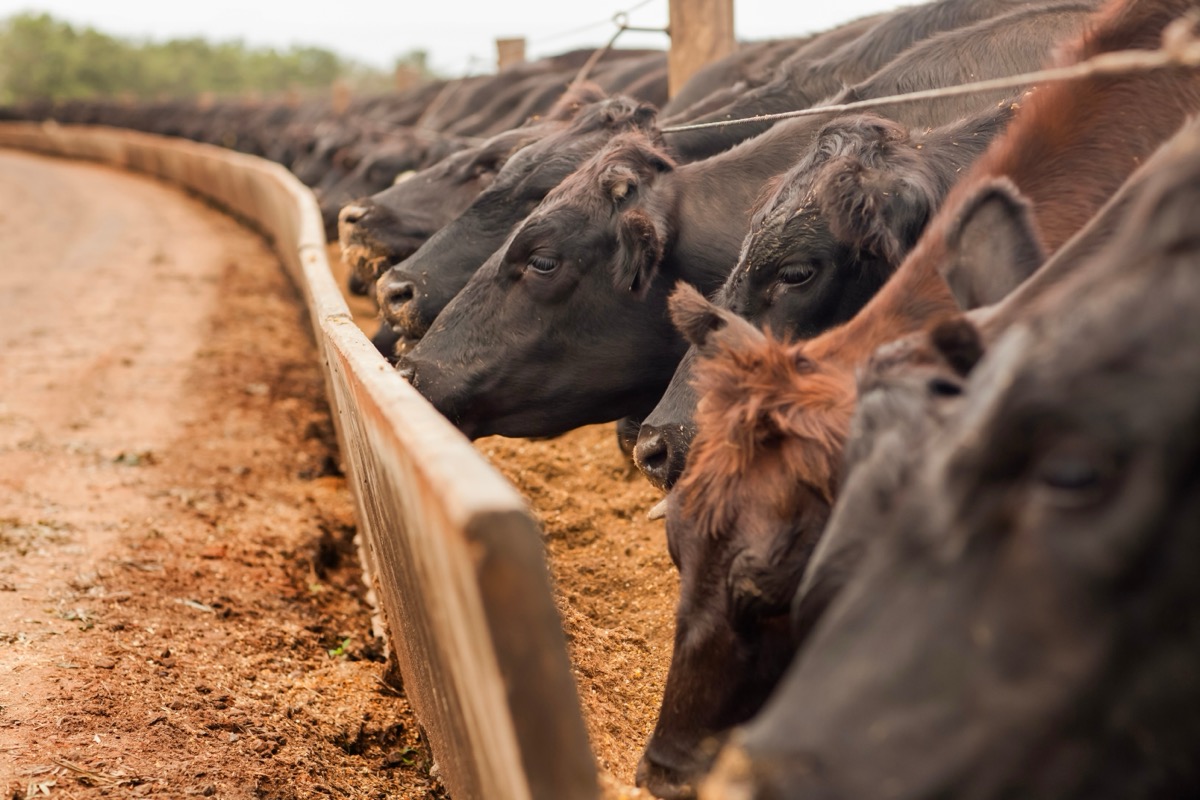
Heat stress is a significant and often underestimated driver of reduced performance and increased mortality in beef feedlots. Continuous temperature monitoring offers an early warning system that visual checks simply cannot match.
February 18, 2026 · 4 min read
 Technology
How IoT Ear Tags Are Changing Herd Health Management
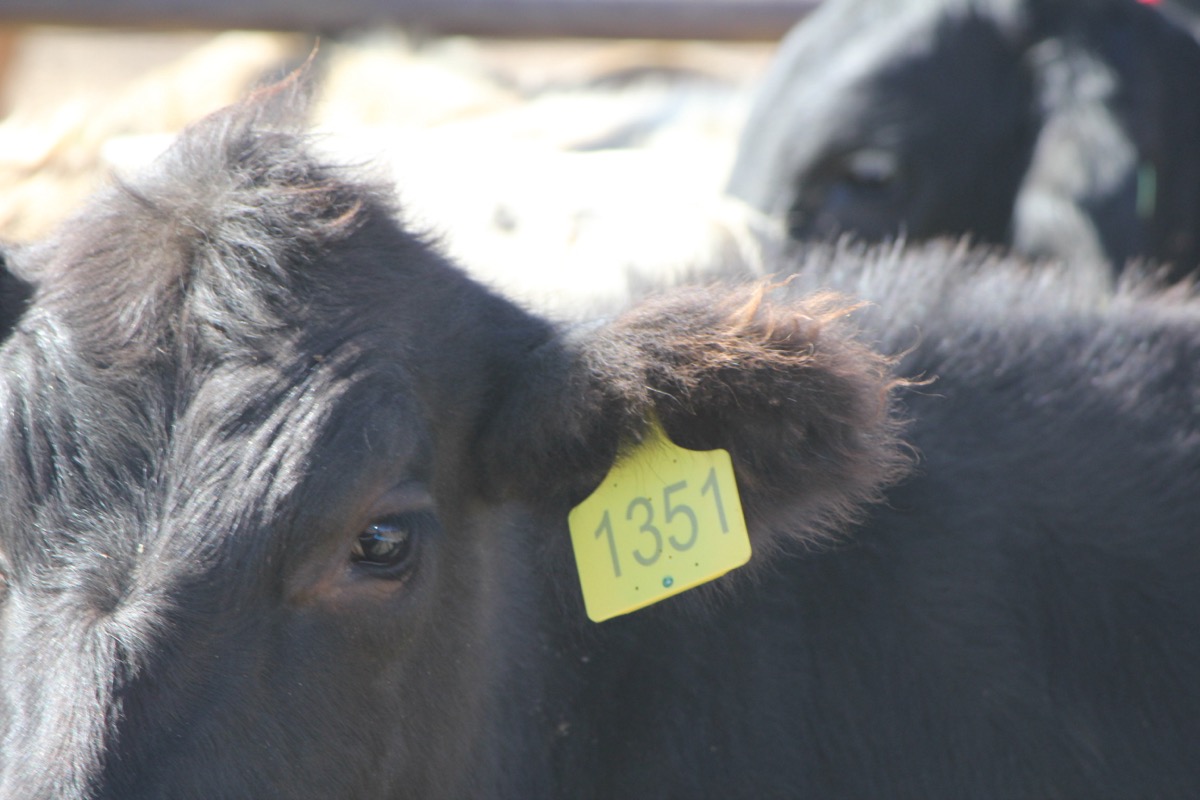
Wireless ear tags have moved from experimental research tools to commercially viable monitoring systems in under a decade. The shift is reshaping how producers think about herd-level health decisions.
March 22, 2026 · 4 min read
 Research
BRD Detection Rate Study: Ear Temperature vs. Visual Observation
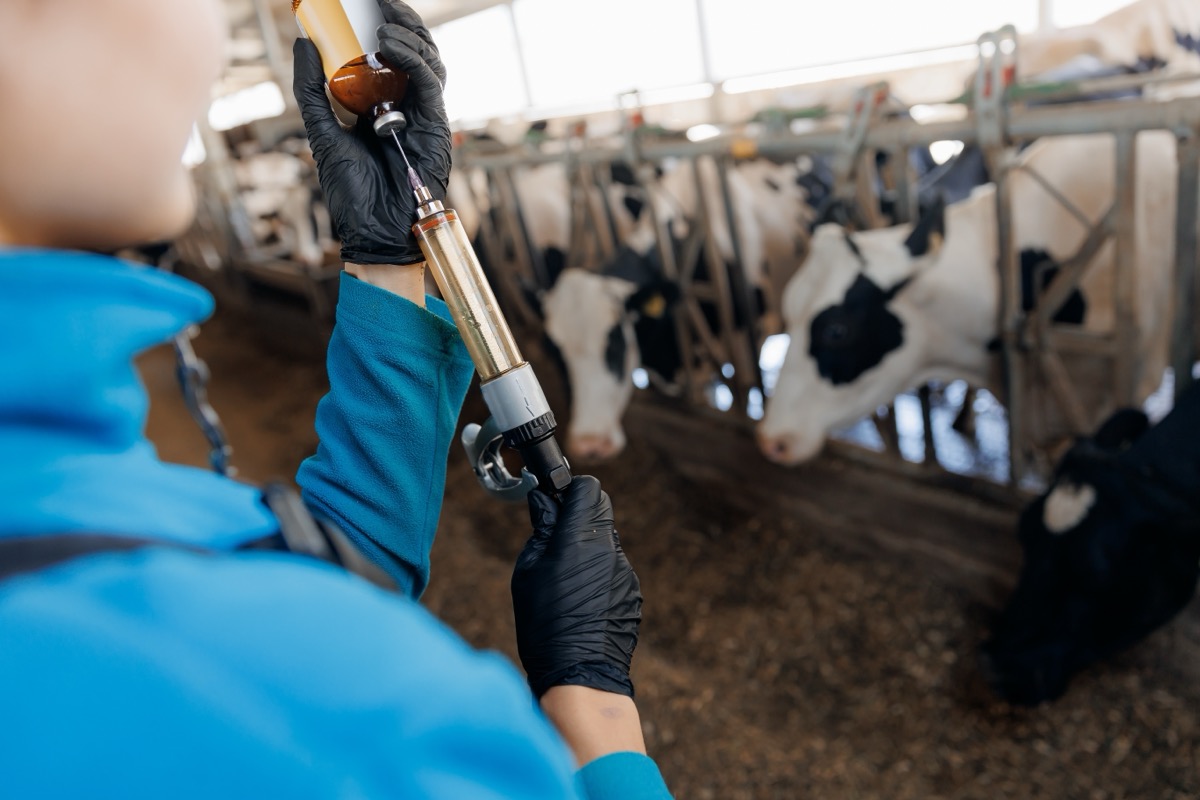
A comparative field study tracked BRD detection rates across two matched pen groups, one monitored by continuous ear-temperature sensing, one by standard visual observation. The results confirmed a detection gap of more than 18 hours on average.
March 5, 2026 · 6 min read