
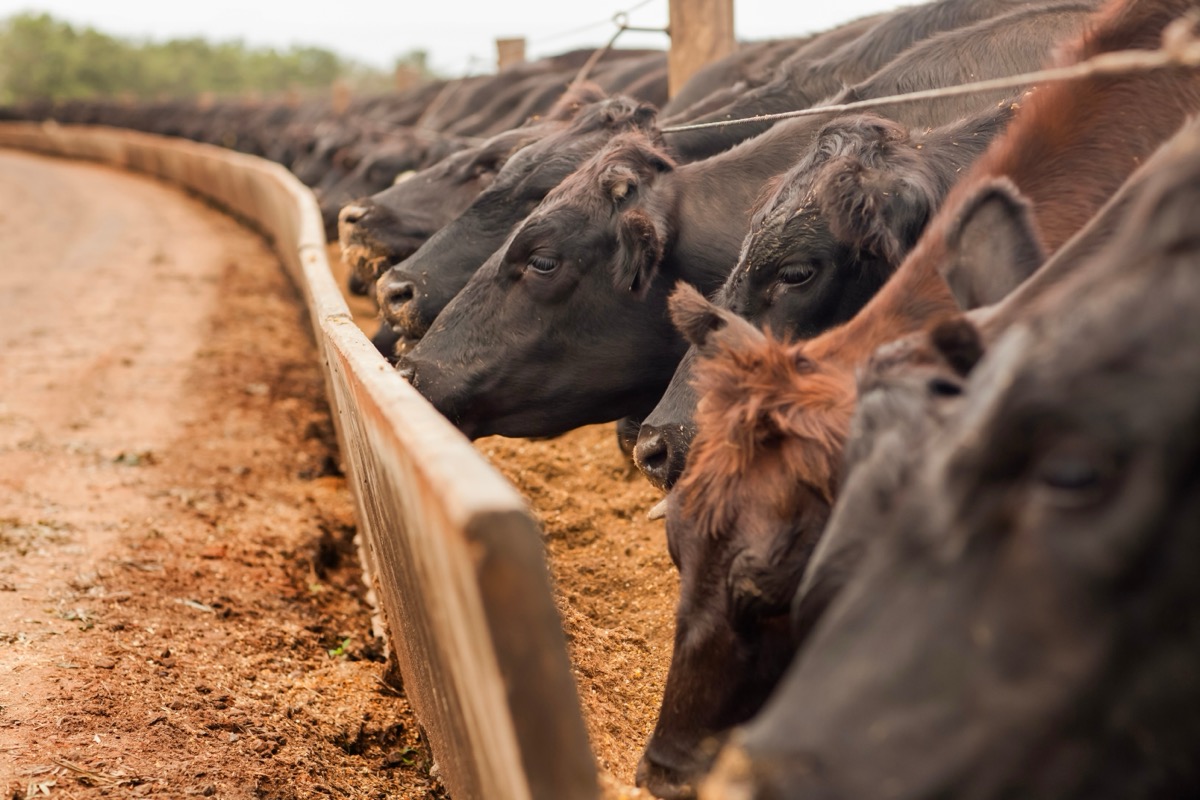
Managing Heat Stress in Feedlot Operations This Summer
Bovisen Team · February 18, 2026 · 4 min read
High ambient temperatures and humidity create physiological stress in beef cattle that manifests well before animals begin showing obvious signs of distress. Core body temperature rises as the animal struggles to dissipate heat, feed intake drops, and immune function is compromised, creating conditions where secondary disease challenges become significantly more dangerous.
The Heat Load Problem
Cattle are more sensitive to heat than many producers realize. The temperature-humidity index (THI) provides a better measure of heat load than air temperature alone. At a THI above 72, performance begins to decline. Above 84, health risks escalate. In feedlot conditions, where high-energy diets generate substantial metabolic heat and pen density limits airflow, animals reach dangerous thresholds faster than they would on pasture.
Time-of-Day Dynamics
Heat load in cattle is cumulative. Animals that fail to fully recover overnight carry elevated core temperatures into the following day, compounding the effect of the next heat cycle. Identifying animals that are not recovering during cooler overnight hours is one of the most actionable uses of continuous temperature data.
Monitoring as an Early Warning System
An ear tag that transmits temperature every hour during elevated readings provides a real-time picture of heat load across the pen. When multiple animals in the same pen begin trending upward simultaneously, that data can trigger an intervention — increased water access, misting systems, feed timing adjustments — before the situation becomes critical.
Practical Steps
Producers in high-heat regions should ensure water availability is maximized during hot periods, feeding times are shifted toward cooler parts of the day, and shade structures are properly positioned. Monitoring data makes it easier to evaluate whether these interventions are working at the individual animal level, not just the pen level.
Related Articles
 Livestock Health
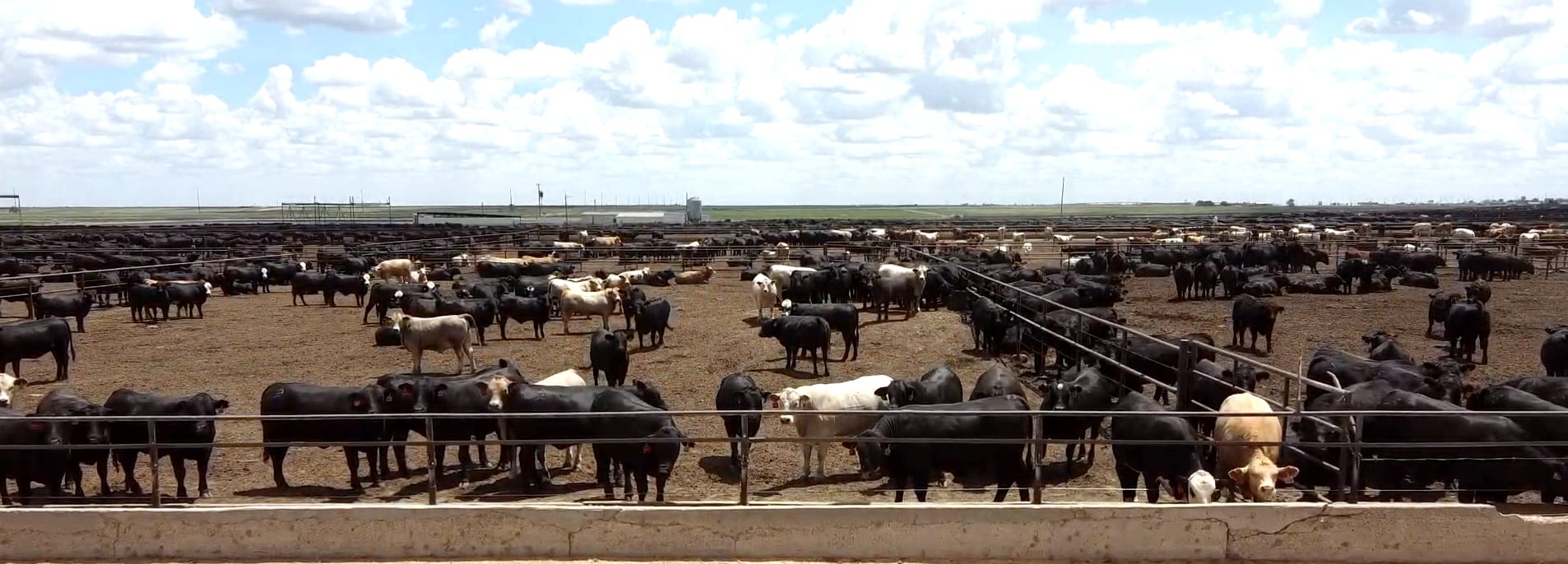
Early Fever Detection in Beef Cattle: Why Hours Matter
Bovine respiratory disease remains the leading cause of death in feedlot cattle, and the window for effective treatment is measured in hours, not days. Continuous ear-temperature monitoring gives producers that window back.
April 10, 2026 · 5 min read
 Technology
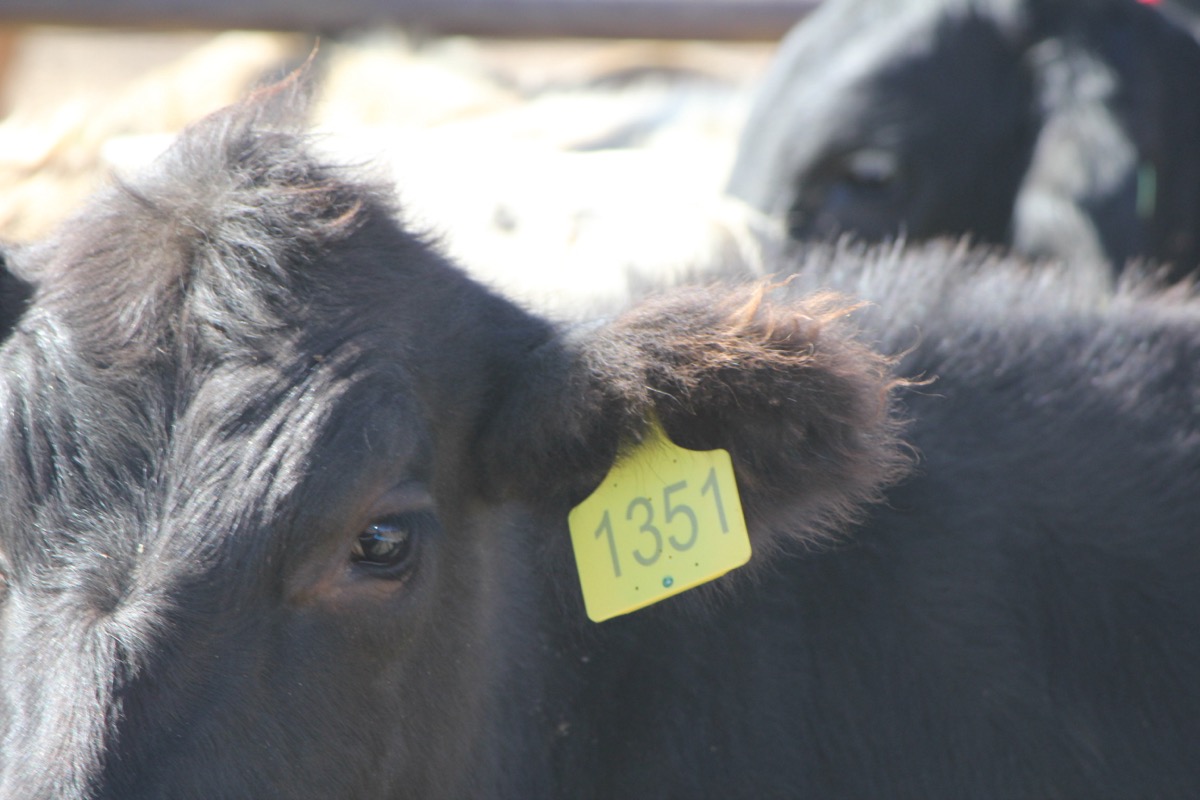
How IoT Ear Tags Are Changing Herd Health Management
Wireless ear tags have moved from experimental research tools to commercially viable monitoring systems in under a decade. The shift is reshaping how producers think about herd-level health decisions.
March 22, 2026 · 4 min read
 Research
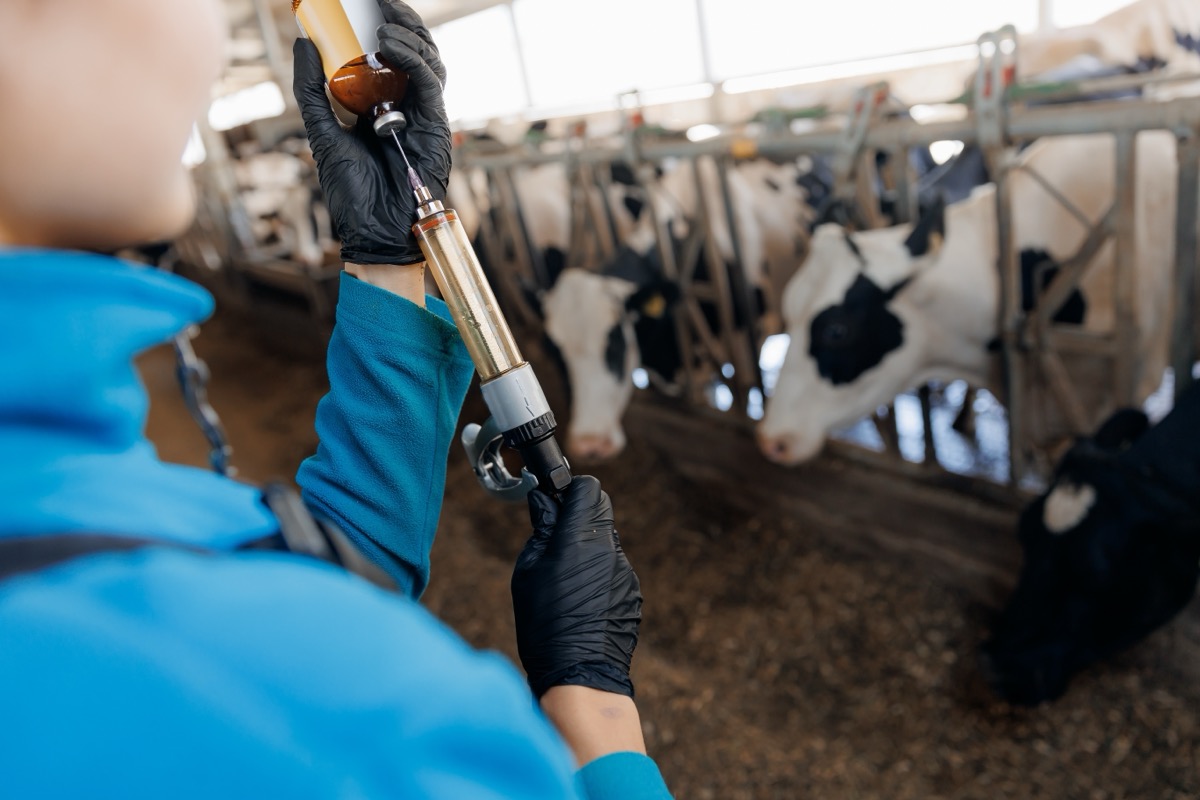
BRD Detection Rate Study: Ear Temperature vs. Visual Observation
A comparative field study tracked BRD detection rates across two matched pen groups, one monitored by continuous ear-temperature sensing, one by standard visual observation. The results confirmed a detection gap of more than 18 hours on average.
March 5, 2026 · 6 min read