
University Field Trial Results: 18-Month BRD Monitoring Study
Bovisen Team · December 3, 2025 · 7 min read
The 18-month BRD monitoring study, conducted in partnership with a university animal science department, was designed to address a gap in the existing literature: most published studies on electronic health monitoring in cattle are short-duration trials with small animal numbers. This trial aimed to track a larger cohort across multiple feeding periods and seasonal cycles to assess long-term tag performance, detection consistency, and operational integration.
Trial Structure
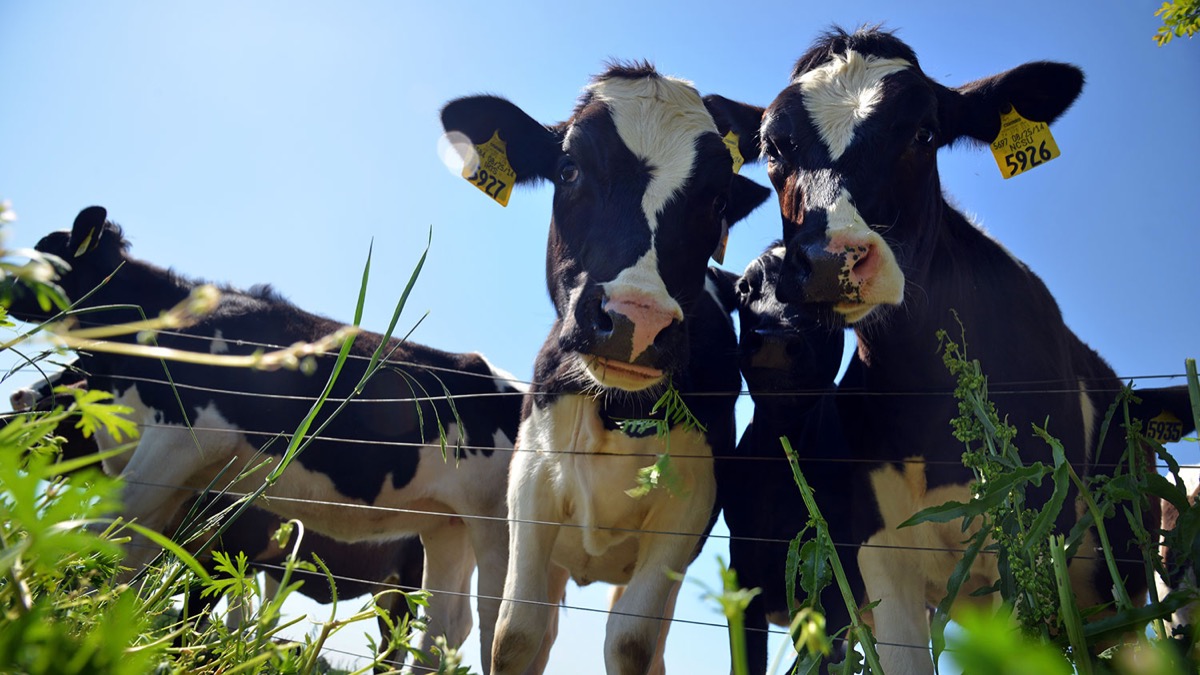
The study enrolled 1,200 crossbred beef cattle across three consecutive feeding periods. All animals were tagged upon arrival and monitored continuously through harvest. Data was collected across summer, fall, and winter periods to capture seasonal variation in both ambient conditions and disease pressure.
Tag Performance
Tag performance was evaluated on three dimensions: data transmission rate, temperature accuracy, and durability. Mean data transmission completeness was 97.3% across the full trial period. Temperature accuracy, validated against rectal temperature at treatment pulls, showed a mean deviation of 0.4°F (0.2°C) — within the clinical range required for reliable fever detection.
Tag loss rate across the 18-month period was 1.8%, primarily from tags lost during normal cattle handling. No tag failures attributable to manufacturing defects were recorded after the first 30 days.
Disease Detection Results
BRD was the primary health challenge encountered during the trial, consistent with expectations for commercial-weight beef cattle. Of 312 recorded BRD cases, 271 (86.9%) were flagged by temperature alert before pen rider identification. Mean time from first alert to treatment was 9.2 hours for alert-initiated pulls versus 27.6 hours for visually identified pulls.
Secondary Health Events
The monitoring system also flagged 44 cases subsequently diagnosed as conditions other than BRD, including digestive disorders and lameness-associated fever. While the system is designed primarily for respiratory disease detection, the data suggests broader utility in identifying any condition with a fever component.
Operational Integration
Staff at the facility reported that dashboard integration into daily pen management became routine within the first 30 days of the trial. The primary operational change was the addition of a morning alert review to the pen rider checklist — a process that added approximately 10 minutes to daily management time while reducing total pulls per period by an estimated 15%.
Conclusions
The 18-month dataset provides strong evidence for the reliability and clinical utility of continuous ear-temperature monitoring in commercial beef settings. Detection rates, tag performance, and operational integration metrics all exceeded pre-trial benchmarks. Full study results will be submitted for peer review publication in 2026.
Related Articles
 Research
BRD Detection Rate Study: Ear Temperature vs. Visual Observation
A comparative field study tracked BRD detection rates across two matched pen groups — one monitored by continuous ear-temperature sensing, one by standard visual observation. The results confirmed a detection gap of more than 18 hours on average.
March 5, 2026 · 6 min read
 Research
67% Reduction in Antibiotic Use — What a German Field Trial Found
A German field trial found that detecting bovine respiratory disease at the viral fever stage — before clinical signs appear — allowed 67.4% of cases to resolve with an NSAID alone, significantly reducing antibiotic use without compromising outcomes.
May 25, 2025 · 5 min read
 Livestock Health
Early Fever Detection in Beef Cattle: Why Hours Matter
Bovine respiratory disease remains the leading cause of death in feedlot cattle, and the window for effective treatment is measured in hours, not days. Continuous ear-temperature monitoring gives producers that window back.
April 10, 2026 · 5 min read